.jpg?command_1=resize&width_1=860&height_1=860)
Head’s Lines: Finding Joy in Challenge
I love the view of trees from the classroom windows and the sheer beauty of the sprawling campus. It provides children with space to run, idyllic New England views, and a reprieve from the sounds and smells of traffic.
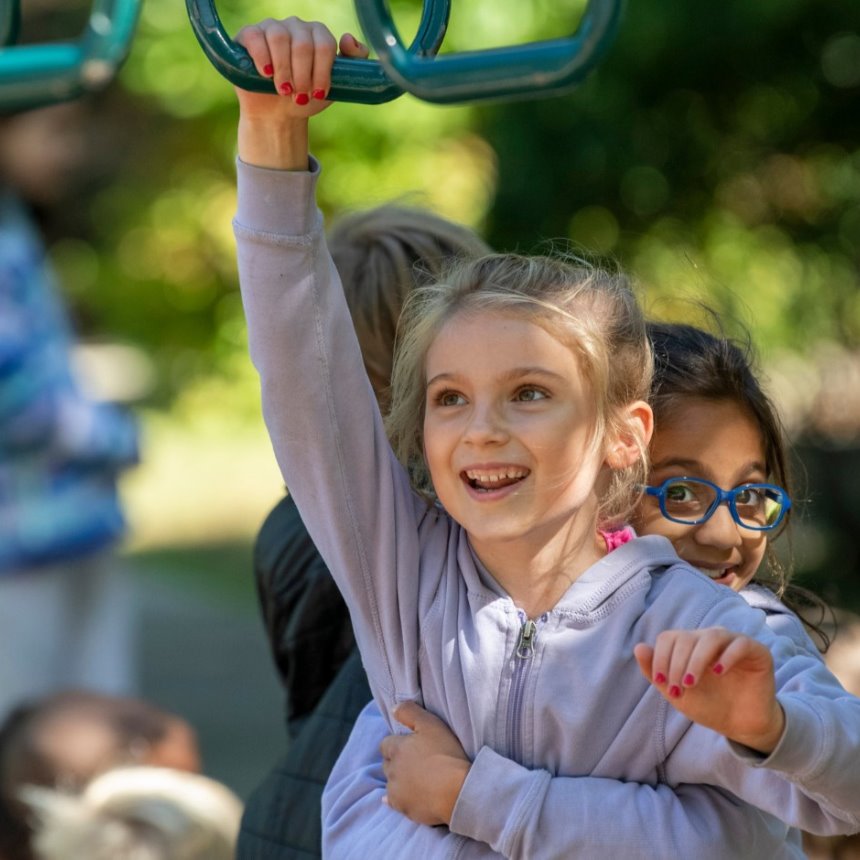
“ Outdoor play in PreK is a vital extension of the classroom, where children engage in active, hands-on exploration of their environment. Through activities like climbing, running, building, and imaginative play, students develop their gross motor skills, social-emotional awareness, and problem-solving abilities. Outdoor time also encourages curiosity and connection to nature, supporting children’s overall well-being and fostering a lifelong love of learning.”
YUKA TERADA PREKINDERGARTEN TEACHER
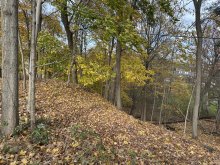
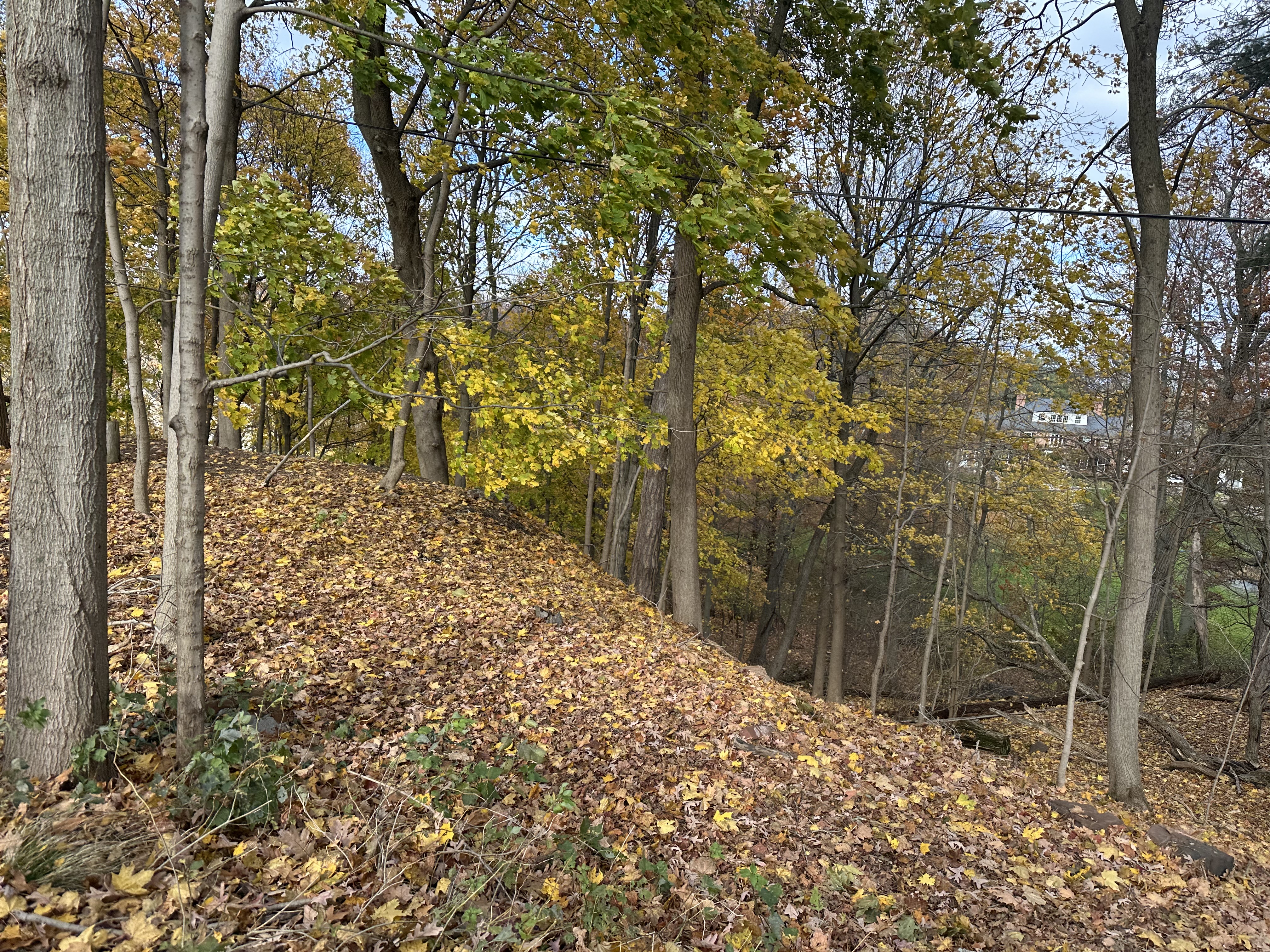
When I attended one of the SPARK campus walks I was amazed by the secluded beauty of the wooded areas in Park’s backyard that I’d never seen before. As our group strolled through a leafy wilderness of a beautiful fall day, we reflected on all the possibilities for future students. In the thicker woods, we imagined students experiencing the joy of building stick forts with friends or sitting in the shade with a group to talk and laugh. Where the driveway will become a potential amphitheater, we imagined students playing cards, having lunch outside, or getting in one more round of Latin flashcards. In one of the flatter and more open areas, we wondered about a wooden platform so classes could meet outdoors for a Socratic seminar in the fresh air or to journal their biology observations or work on still-life drawings for an art class.
.jpg)
A peaceful, moss covered path through the woods in Park’s backyard
Wooded outdoor spaces introduce areas where it feels natural and expected for children to be in whatever size groupings they choose. They can walk tandem down a trail, sketch a leaf in solitude, or cavort with a huge group trying to build the biggest fort the school has ever seen. They also provide shelter, literal and figurative, so that students can take social risks (whether that’s being alone or playing with someone new) without their entire grade observing. Nature also provides scaffolding for new friendships both by filling in the awkward silences and by providing shared experiences and observations to talk about. Standing quietly next to someone listening to the leaves rustle and watching for squirrels feels natural in a way that standing silently next to someone on the side of the turf field does not.
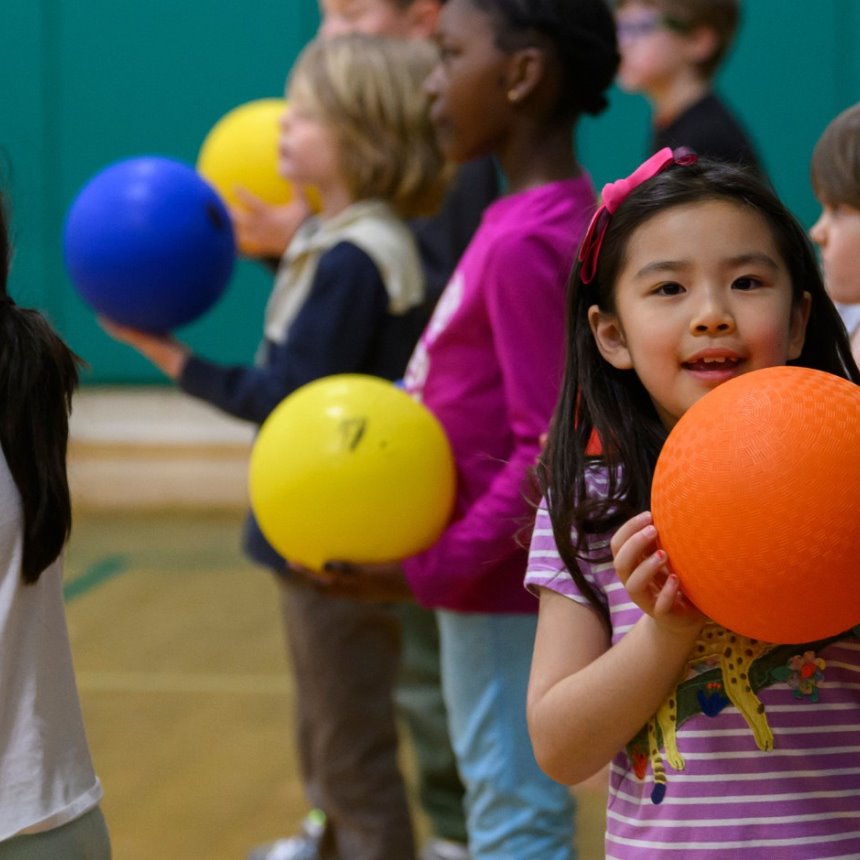
“ Outdoor play in Kindergarten is so much more than just recess. This time happens to be a rich and meaningful part of building community. cognitive development and social emotional skills for our kindergarten friends. This part of our day can oftentimes be where some of the most important and rich learning happens not only for the children but also for the teachers. This is a time for building relationships, friendships and overall just pure joy.”
KEISHA JONES RILEY KINDERGARTEN TEACHER
As I walked, I thought how grateful my school-age self would have been to occasionally take fifteen minutes away from the buzz of the classrooms and walk quietly through the woods where no one would wonder whether (or why) I wanted to be by myself. After filling my social cup by talking at the lunch table and in between classes it would have been truly restorative to escape into a book once in a while during recess. But reading on the side of a busy playground can make you look like an outcast even when you’re not, and well-intentioned children inviting you into their games is a bid of friendship that might not be repeated if you keep your nose in the book.
For me, being outside and surrounded by nature is one of those “healthy” things that are so self evident that the idea of reading about why feels laughable. I think I did laugh out loud when I first saw an article about the benefits of “forest bathing.” I realized, however, with a bit of a chagrin, how privileged I am to have spent most of my life in areas with an abundance of wooded trails and the ability to access them. When you consider the impact of climate change combined with the steady loss of open space to development, access to peaceful wooded areas is nothing to laugh at or take for granted. It’s precious and worth protecting. Providing access to Park’s backyard will cultivate students’ appreciation for natural spaces, a valuable attribute for the Practiced Advocates and Mindful Leaders we’re sending out into the world. Perhaps the memories made there will even ensure that preserving its wooded spaces remains important to the Park community in future generations.
Beyond that, expanding Park’s backyard to include wooded spaces will provide more restorative areas for children, however they seek restoration. While fields and playgrounds are great at serving kids during times when they need to socialize or burn off energy, adding paths through Park’s woods and spaces will provide necessary balance, serving children when they need a moment of peace or reflection. With so many additional ways for kids to recharge, Park’s backyard could ensure that whatever type of break a student needs, going outside will provide it.
By: Kelly Caiazzo P'26, 25
#TheParkSchoolMA #ParkSchoolExcellence #ItAllStartsatPark #ParkSchoolFaculty #ParkSchoolCommunity


_11zon.jpg&command_2=resize&height_2=85 "Small Ideas that Build Something Special")