.jpg?command_1=resize&width_1=860&height_1=860)


Head’s Lines: Finding Joy in Challenge
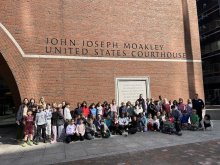
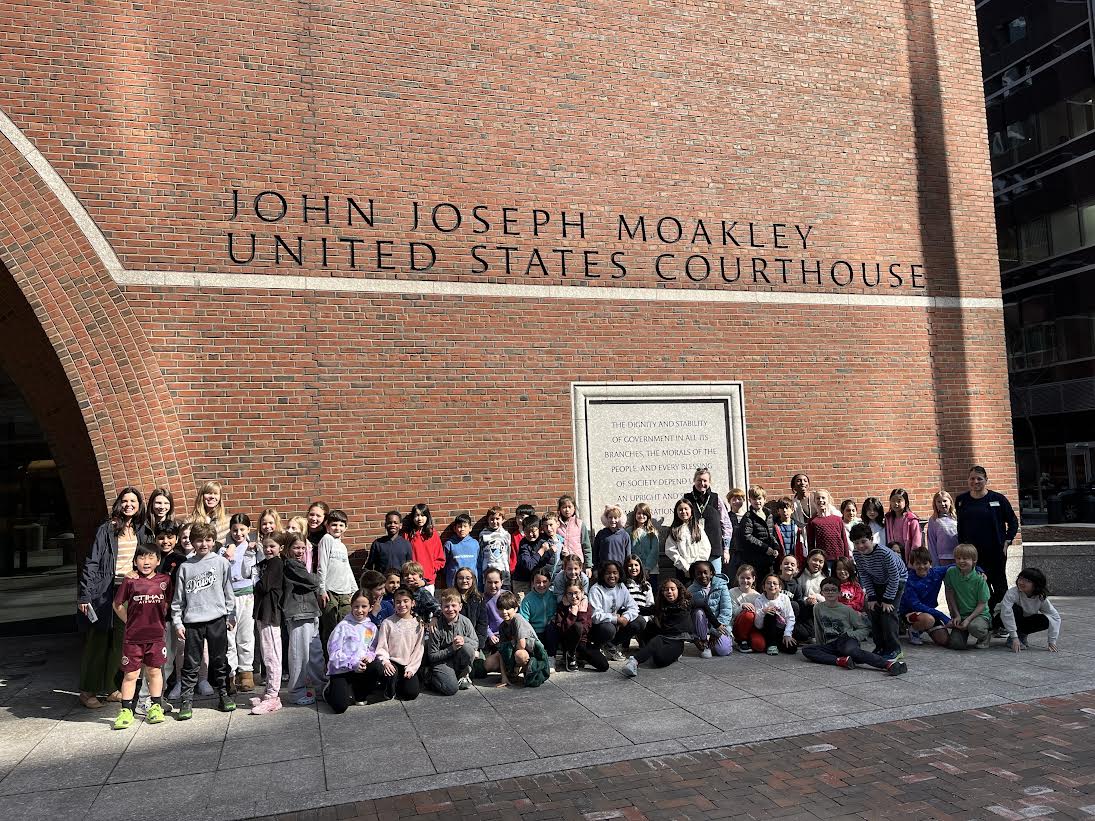
For Park’s third graders, the answer is unfolding through thoughtful discussion, meaningful inquiry, and real-world experiences—like a recent field trip to the Moakley Courthouse in Boston.
This year, the entire third grade has been engaged in a civic education curriculum from Children Discovering Justice, designed to help students explore big ideas like fairness, responsibility, and leadership. Through this work, students build a shared language around concepts such as justice and injustice, equity versus equality, and the importance of perspective. They learn not only what it means to advocate, but how to be an advocate—grounded in empathy, understanding, and integrity.
The visit to the courthouse brought these lessons vividly to life.
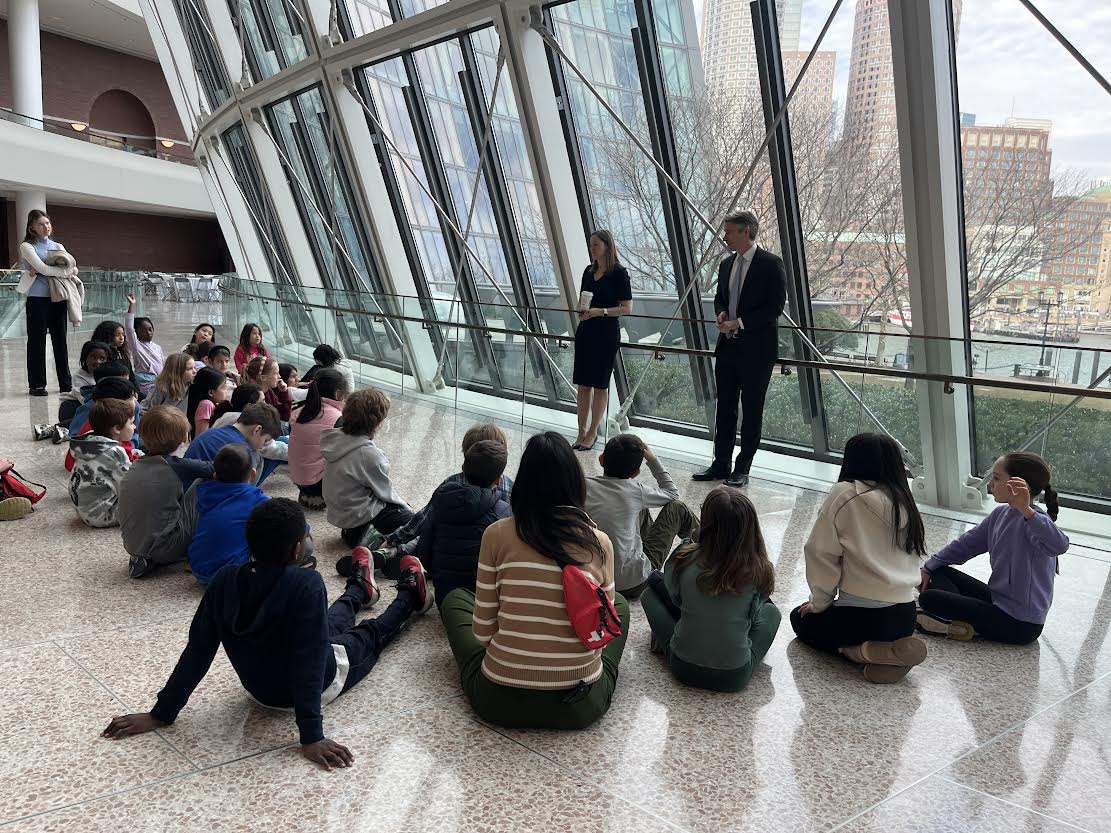
Upon arrival, students were struck by the formality of the experience—from passing through security to entering the expansive nine-story building. Divided into small groups, they toured the courthouse, observing the many symbols of justice embedded throughout the space. From flags and compasses to a striking wall of individual windows, each element sparked conversation about what it means for a system to be fair and just.
The day also included a unique opportunity to hear from two parents in the Park community who serve as Assistant U.S. Attorneys. During a lively Q&A session, students asked thoughtful, often surprising questions about the role of a prosecutor, the complexity of legal cases, and the realities of the justice system. They were especially intrigued to learn that some cases take years to resolve—and that some are never solved at all.
The most memorable part of the day, however, was an interactive case study. Though they were unable to enter a courtroom in session, students gathered in the courthouse library to take on the roles of lawyers and judges in a mock case involving a dog named Bingo. Presented with evidence—receipts, a collar, and competing claims of ownership—students worked in teams to build arguments and advocate for their side.
As they debated and presented their cases, something powerful emerged: a realization that justice is not always black and white. While some students argued passionately for one side or the other, others began to imagine compromise—suggesting solutions where both parties could share responsibility. When they later learned how real judges ruled on the case, students saw that outcomes are not always about winning or losing, but about finding fair and thoughtful resolutions.
This moment of discovery was a meaningful one. It reflected weeks of classroom work centered on perspective-taking and civil discourse—skills that are deeply connected to Park’s social-emotional learning and Second Step curriculum. In class, students practice using language like “I see it differently because…” or “I understand your perspective, but…”—building the foundation for respectful dialogue and deeper understanding.
The field trip is just one part of a broader, interdisciplinary approach. In social studies, students explore systems of government, beginning with their own school community and expanding outward to local, state, and federal levels. Across subjects, students are encouraged to notice and reflect, learn more, make a plan, and take action—an empowering process that gives them both voice and agency.
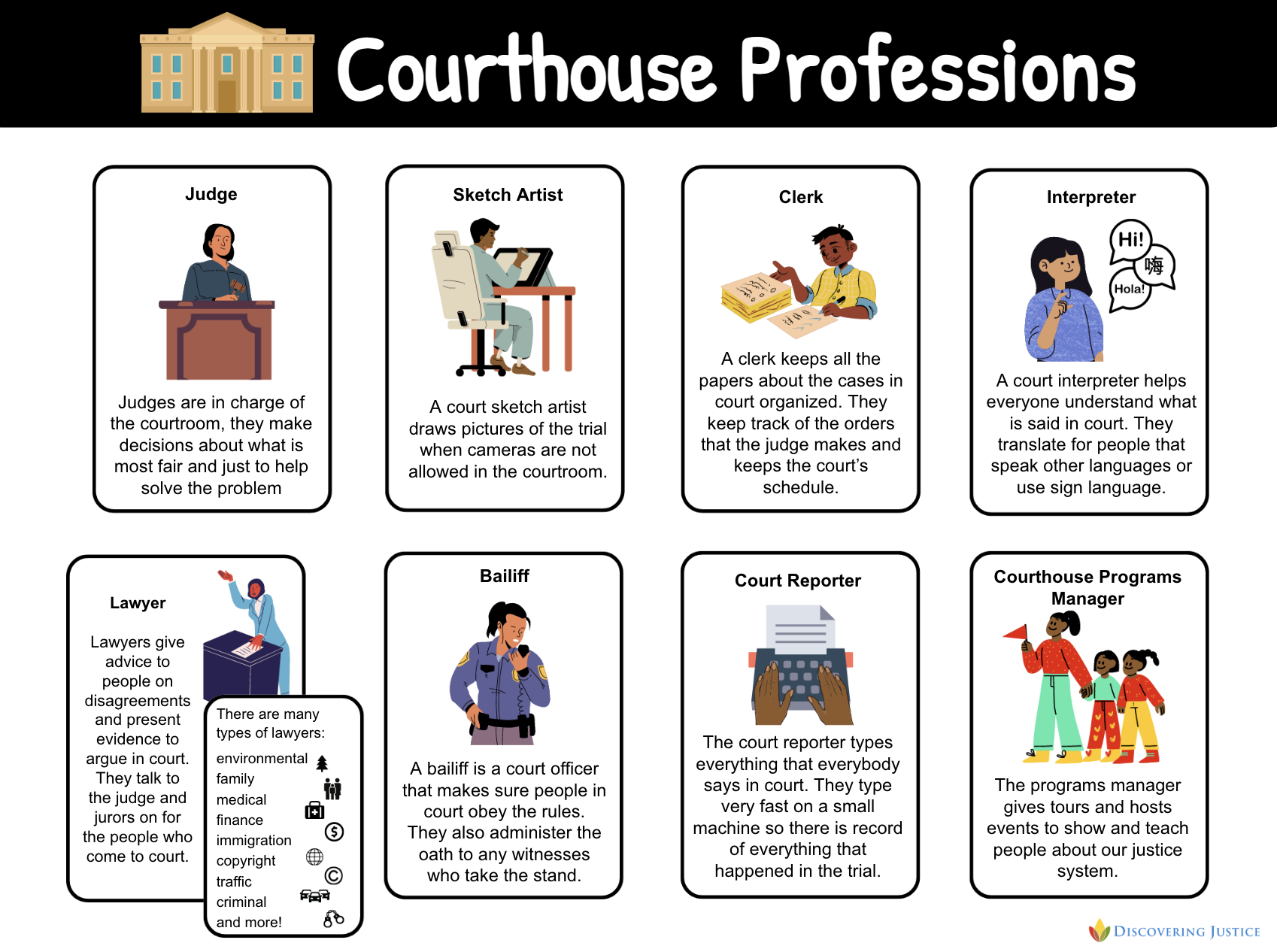
For many students, the courthouse visit was their first time seeing these ideas in action. It made abstract concepts tangible and showed them that their thinking—and their voices—matter.
As one student reflected, “A problem isn’t always just one thing. It can have more than one answer.”
It’s a lesson at the heart of advocating for self and others: approaching challenges with curiosity, considering multiple perspectives, and working toward solutions that are fair, thoughtful, and just.
By Emma Hobart-Sheran, Assistant Director of Marketing and Communications
#TheParkSchoolMA #ParkSchoolExcellence #ItAllStartsatPark #ParkSchoolCommunity


_11zon.jpg&command_2=resize&height_2=85 "Small Ideas that Build Something Special")